Designing a Backyard Patio for Entertaining Guests: Expert Layout & Features
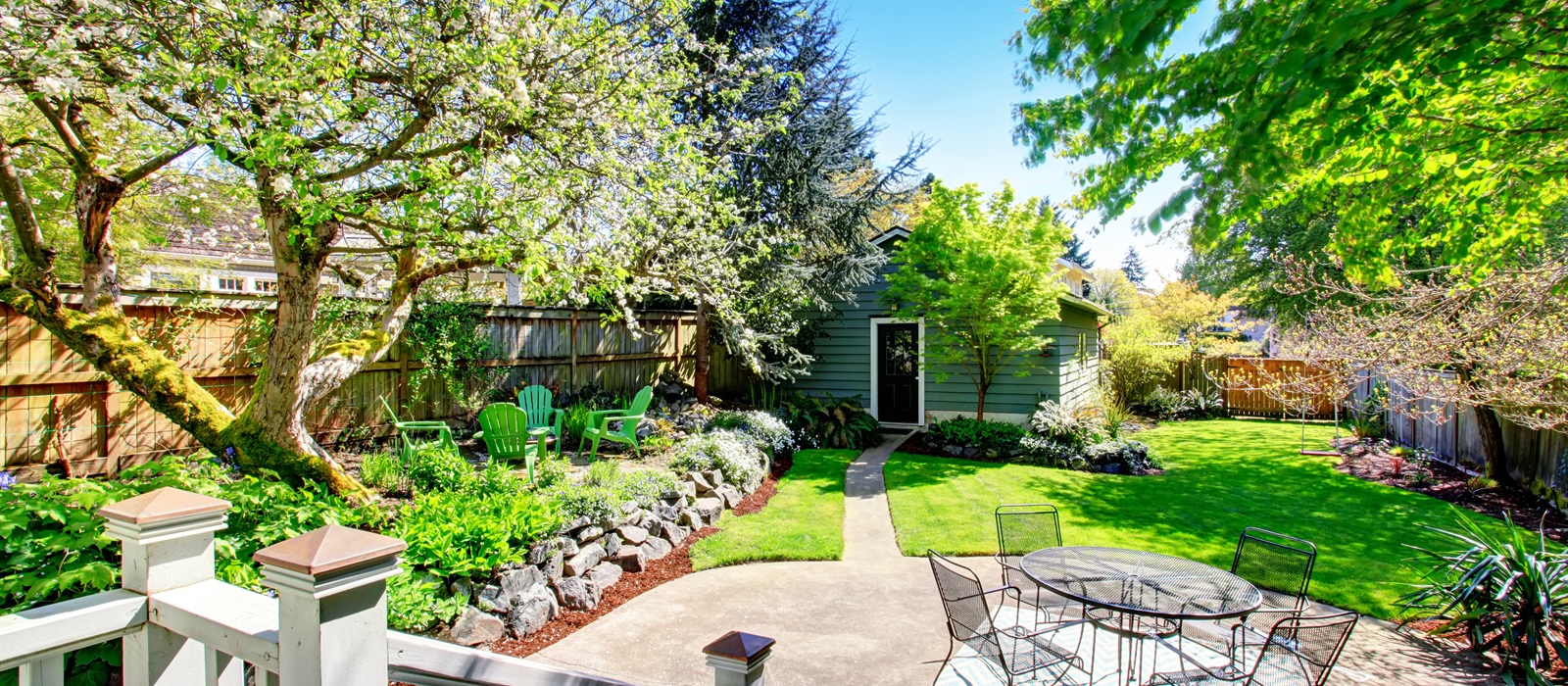
Entertaining guests in your backyard should be effortless, inviting, and memorable. Whether you're hosting a lively summer barbecue or a cozy fall gathering, the design of your patio plays a central role in how smoothly those moments unfold.
When planned with intention, a well-designed patio enhances both the experience and the flow of entertaining. It's not just about placing furniture—it's about crafting an outdoor environment that works as beautifully as it looks. From thoughtful layouts to weatherproof comforts, a great backyard patio can turn casual get-togethers into exceptional events.
In this article, we'll explore how to design a backyard patio that truly supports entertaining. Whether you're starting fresh or upgrading an existing setup, these insights will help you create an outdoor space that’s equal parts comfortable, functional, and guest-ready.
Rock Solid Services understands the importance of designing outdoor living areas that are both stunning and strategic. Our expertise in patio installation services has helped countless homeowners in Andover and beyond create patios tailored for entertaining and relaxation alike. If you're planning a new project, patio installation services from a seasoned team can ensure the right foundation for lasting enjoyment.
Maximizing Space & Flow: Key Layout Tips for Hosting on Your Patio
Creating a patio layout for entertaining hinges on how well you manage movement, spatial zones, and accessibility. Start by dividing the space into functional areas: lounging, dining, and food prep. This helps prevent crowding and encourages a natural flow between activities.
Avoid obstructive transitions; furniture should be scaled appropriately and arranged to foster conversation while maintaining open walkways. Curved edges, staggered seating, and flexible arrangements can help guide traffic intuitively, especially during events with multiple guests.
Another important consideration is traffic bottlenecks—entries, exits, and access to food should not overlap. Position dining zones near kitchen access or built-in grills, but keep them far enough from doors and active walkways to minimize disruption.
Integrated hardscaping features like seat walls or planters can help define zones without enclosing the space. When working with a smaller area, consider multi-use elements like storage benches or mobile islands that increase functionality without compromising room to move.
Careful planning during the design phase can prevent common layout inefficiencies. Our approach includes site evaluations, elevation grading, and precise placement of each feature to enhance both beauty and utility.
For homeowners in Andover and the surrounding area, expert insight into layout logistics can mean the difference between a patio that feels cramped and one that flows seamlessly during social gatherings.
Choosing the Right Hardscaping Materials for Form, Function & Maintenance
The choice of hardscaping materials significantly affects how a patio looks, wears, and functions. Natural stone, like bluestone or travertine, provides timeless aesthetics and a high-end appearance, but often requires sealing and more intricate installation.
Concrete pavers offer a broad range of design options and lower maintenance needs, making them ideal for homeowners who value durability and easy upkeep. Stamped concrete, with its versatility in texture and pattern, is another option that delivers aesthetic appeal at a reasonable cost, though it can be prone to cracking if not installed correctly.
Material selection also influences drainage, heat retention, and slip resistance. For instance, light-colored pavers stay cooler underfoot, while textured finishes reduce the risk of slipping around pools or during wet weather.
Porous options like permeable pavers can assist with water runoff management, an important factor in Minnesota climates. Maintenance considerations, such as joint sand replacement, sealing frequency, and resistance to weathering, will play into long-term satisfaction and budget.
Rock Solid integrates a material-first approach into our construction services, evaluating how each choice performs over time and complements surrounding features. By selecting materials based on both beauty and behavior, the final patio design becomes a cohesive extension of the home, resilient, stylish, and ready for daily use or weekend events alike.
Enhancing Ambience & Safety with Strategic Patio Lighting
Evening entertaining relies heavily on lighting that strikes the right balance between visibility and atmosphere.
Layered lighting is essential—start with overhead or perimeter lighting to provide general visibility, then introduce accent lighting to highlight landscaping, architectural features, or seating areas.
Low-voltage LED systems are ideal for patios due to their energy efficiency and directional control. Pathway lights and step lighting increase safety without overpowering the mood, while string lights, lanterns, and integrated wall sconces contribute to ambiance.
Custom lighting solutions can transform a space. From uplighting trees to under-cap lighting on seat walls, the goal is always to increase usability after dark without creating glare or harsh shadows. Installing timers or smart systems also allows hosts to adjust settings as needed, from intimate dinners to group celebrations, without the hassle of manual operation.
Thoughtfully installed outdoor lighting does more than enhance appearance — it supports functionality and safety after sunset. Combining fixtures at various heights and focal points creates depth and contrast, while making the space navigable and welcoming for guests.
Lighting systems should be designed during the patio planning stage to ensure correct electrical placement and fixture integration into hardscape features.
Integrating Outdoor Kitchens & Built-In Grills for Seamless Entertaining
Adding a cooking zone to your patio takes hosting to the next level, but doing it well requires more than just setting a grill on the edge. Built-in cooking areas should be positioned near the dining space but placed to avoid smoke blowing onto guests.
Gas, propane, or wood-fired setups each require specific ventilation, fuel access, and structural support. Layout planning must include proper clearances, food prep surfaces, and space for safe movement around hot equipment.
Storage and functionality are equally important. Incorporating cabinets, drawers, and cold storage keeps everything in reach so the host can remain part of the event. Counter heights should align with ergonomic standards, and the flooring underneath needs to support both the weight and heat of the installation.
Aesthetically, materials should coordinate with the patio’s main surface to maintain visual continuity.
Designing a successful outdoor kitchen also means anticipating future needs. Allowing room for expansion or accessory upgrades ensures the space adapts over time. Integrating the grill area with shelter, lighting, and proximity to utilities streamlines usage and reduces long-term maintenance challenges.
Effective Weather Protection for Year-Round Patio Use
Midwest climates demand flexibility in outdoor living features, and weather protection is essential for using a patio beyond the summer season.
Pergolas provide partial shade and structure for hanging lights, fans, or fabric panels. When paired with climbing vines or retractable canopies, they offer flexible coverage that adapts to changing conditions.
Umbrellas are suitable for mobile, temporary protection, but larger cantilever versions can be anchored to deliver shade without obstructing traffic flow.
Retractable awnings are one of the most versatile solutions, providing shelter from the sun and light rain while maintaining a clean look when retracted.
For colder seasons, adding patio heaters or windbreak panels can extend usability into spring and fall. Materials and mechanical components should be selected for durability against wind, UV exposure, and snow loads. Integrating gutters or slope drainage is also critical to prevent water accumulation that could damage surfaces or furniture.
The effectiveness of these solutions depends on aligning them with the patio’s layout and usage goals. Combining multiple systems, such as a pergola with side curtains and a heating source, can provide year-round adaptability while preserving the space's open-air appeal.
Planning for weather protection during the design phase allows these elements to enhance the overall environment instead of appearing as afterthoughts.
Get Expert Help with Your Patio Entertainment Design
Designing a backyard patio for entertaining guests isn’t just about aesthetics—it’s about creating a smart, cohesive environment where comfort, safety, and functionality come together. Whether you’re considering layout improvements, material upgrades, lighting enhancements, cooking station integration, or year-round weather protection, every detail plays a critical role in the patio’s performance and appeal.
These aren’t one-size-fits-all solutions; they require deep planning, local climate considerations, and precision in construction to ensure a seamless experience for your guests. Rock Solid Services brings extensive experience in transforming outdoor spaces into functional, beautiful environments designed for hosting.
Based in Andover, we’ve helped homeowners throughout the region with thoughtful design, strategic material selection, and expert execution of hardscaping features. From concept to completion, we understand how to merge form and function for every part of your patio project—from layout strategy to structural weather solutions.
If you're ready to elevate your backyard into a true entertainment space, contact Rock Solid Services at 763-398-0739. To get started, request consultation today and take the first step toward a better backyard experience!