Designing Multi-Level Decks for Sloped Backyards: Structural & Safety Tips
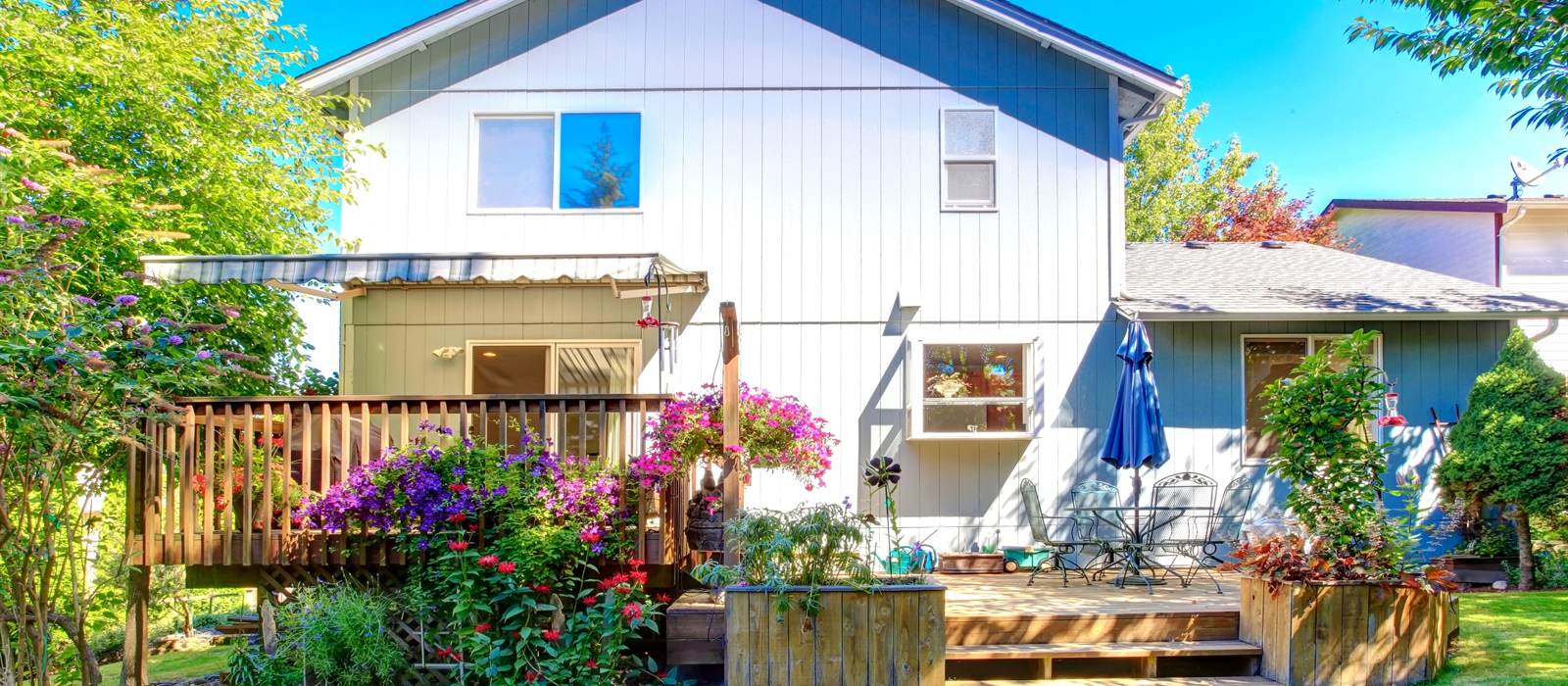
Designing a multi-level deck for a sloped backyard offers the opportunity to transform a challenging terrain into a functional and visually dynamic outdoor living space.
Instead of viewing the slope as a constraint, smart deck design can turn it into a distinct advantage, creating zones for dining, lounging, and entertaining, each on its own level.
Multi-level decks also help manage elevation changes, reduce erosion, and enhance the overall layout of a yard. When designed correctly, these structures don’t just conform to the existing landscape—they elevate it, both literally and aesthetically.
However, the process of planning and building such decks involves more than selecting materials and setting posts. Understanding the property’s topography, ensuring structural stability, and planning for usability are key to success.
Thoughtful integration of stairs, safety features, and even vegetation can significantly impact the long-term performance and appeal of the space.
At Rock Solid Services, we’ve seen how the right deck installation services can completely redefine how homeowners use and enjoy their sloped yards.
Explore how to approach your outdoor project step by step, and see how professional deck installation services can transform a sloped space into a customized, multi-level retreat built for lasting use.
Evaluating Property Topography for Multi-Level Deck Planning
Before designing a multi-level deck on a sloped lot, a thorough assessment of the property’s topography is essential.
Understanding the slope grade, soil composition, and natural drainage paths will influence the placement of posts, beams, and support piers.
Site Evaluation
Site evaluation typically involves measuring elevation changes and identifying areas of potential water runoff or erosion. These insights guide where and how each deck tier can be positioned to work with, not against, the natural landscape.
This planning stage also ensures that the design conforms to local building codes and zoning regulations, which often dictate elevation thresholds and setback requirements.
Mapping
Mapping the slope can also identify where to incorporate retaining walls or cut-and-fill grading to support stable deck platforms.
In some cases, steeper slopes may benefit from retaining structures that reduce lateral soil pressure near the deck’s footing.
A laser level, builder’s level, or professional site survey will provide the accuracy needed to design a structurally sound deck that integrates seamlessly with the terrain.
This preliminary work lays the foundation for safe, functional, and visually coherent multi-level outdoor spaces.
Through proper site evaluation, designers can determine how to best sequence tiers, set anchoring depths, and allow for tier transitions that follow the natural terrain.
For homeowners in Minnesota with sloped lots, turning to professionals like deck installation services helps translate survey data into actionable, compliant designs suited for year-round use.
Engineering Stability: Structural Requirements for Elevated Decks
Designing an elevated or functional multi-level deck on a slope requires addressing critical structural challenges. As elevation increases, so do wind loads, lateral pressures, and the need for robust anchoring systems.
Elevated decks must be engineered with proper post sizing, bracing, and ledger connections that can withstand both gravity loads and lateral movement. Often, deeper footings or helical piers are installed to anchor the structure into stable soil beneath the frost line, which is particularly relevant in Minnesota climates where freeze-thaw cycles can compromise shallow supports.
Materials
Material selection also plays a key role. Pressure-treated lumber is commonly used for structural framing due to its strength and resistance to decay, but steel framing is gaining popularity for projects requiring long spans or additional height.
Framing layouts must be carefully calculated to prevent deflection or vibration, particularly when multiple levels are involved. Each tier must be able to support its own live load while transferring weight to the foundation in a way that doesn’t create shear points or instability at transition zones.
When multiple decks are joined or vertically stacked, considerations such as lateral load connectors, diagonal bracing, and beam-to-post hardware become crucial for maintaining rigidity.
These structural techniques ensure that decks remain safe and durable under use and exposure to weather.
For homeowners embarking on such projects, professional construction services can ensure designs are reviewed and implemented with precision that meets both code and long-term performance expectations.
Designing Efficient Transitions: Stairs & Landings Between Deck Levels
Transitioning between multiple deck levels requires well-planned stairs and landings that are both functional and visually cohesive.
On sloped properties, stairs are more than a convenience—they are structural bridges that maintain flow and accessibility. The grade and rise of the terrain will dictate stair placement and geometry, with longer runs requiring intermediate landings or switchbacks to maintain a comfortable rise-to-run ratio.
Proper stair planning not only provides a safe path between tiers but also contributes to the overall visual rhythm of the deck system.
Landings serve multiple purposes. They break up long flights of stairs, comply with building code, and create natural resting points or spaces for decorative elements.
Depending on the elevation change and total deck height, landings can double as small platforms for seating or transition zones between distinct deck uses, such as from a dining level to a lower fire pit lounge.
Building these connections with the same materials and trim details as the primary decks helps unify the structure and maintain a clean architectural style.
Enhancing Deck Functionality with Built-In Planters & Green Zones
Incorporating planters and green spaces into multi-level decks offers both aesthetic appeal and functional benefits.
Built-in planters help soften the structural lines of large deck systems while allowing homeowners to introduce foliage without consuming ground space—a major asset on sloped properties where usable yard may be limited.
These features can be integrated into railings, landings, or level dividers to create a seamless relationship between the deck and the surrounding landscape.
Green design elements also provide environmental and structural perks. Strategic planting can enhance privacy, filter sunlight, and reduce wind exposure on elevated levels.
Vegetation can also help mitigate soil erosion around lower deck supports, especially when used in conjunction with retaining walls or rain gardens.
When incorporated correctly, planters and vertical gardens bring life and seasonal color to wood or composite structures, enhancing both curb appeal and user experience.
Integrating Safety & Accessibility Features in Deck Design
Creating safe and accessible multi-level decks involves more than meeting code—it’s about accommodating users of all ages and abilities while ensuring long-term usability.
For sloped yards, features such as handrails, guardrails, lighting, and non-slip surfaces are vital. Railings should be installed on all elevated edges, with spacing and height adhering to residential safety standards. Balusters must prevent falls while still maintaining visibility and design flow.
Lighting plays a crucial role in safety, especially around stairs, landings, and level transitions. Low-voltage LED systems can be integrated into risers or posts to enhance nighttime visibility.
Tactile surfaces or color-contrasting trim help guide movement and reduce trip hazards. These elements are especially important in climates with seasonal snow or rain, which can create slippery conditions on untreated surfaces.
For accessibility, graded ramps or wide staircases with handrails on both sides offer support and ease of use. Deck layouts should avoid abrupt elevation changes or narrow pathways that limit mobility.
Safety must guide all stair design elements, including consistent tread depths, proper railing heights, and secure attachment methods to the main framing system.
Whether built from wood, composite, or steel, stairs on sloped yards must withstand not just foot traffic, but also environmental pressures such as moisture or snow. A carefully engineered stair layout provides both comfort and durability without compromising aesthetics or flow.
When planned well, these features don’t detract from visual design—they reinforce it. Partnering with Rock Solid Landscape ensures your design reflects a balance of beauty and function for all users.
Partner With Rock Solid to Build the Perfect Multi-Level Deck
At Rock Solid Services, we specialize in transforming challenging landscapes into functional outdoor environments that seamlessly blend performance with style.
Our team understands the technical and aesthetic nuances of deck design on sloped terrain, utilizing high-quality materials and engineering practices to execute projects that stand the test of time.
Whether you're looking to create a tiered entertainment zone, maximize limited yard space, or simply improve your property's value, our team brings precision and creativity to every job.
Located in Andover, MN, we’ve helped countless homeowners across the region rethink what’s possible for their yards. To get expert insight into your project and learn more about our approach, give us a call at 763-398-0739 or request a consultation through our website today.