How Does Irrigation Installation Differ Between New Landscapes and Existing Yards?
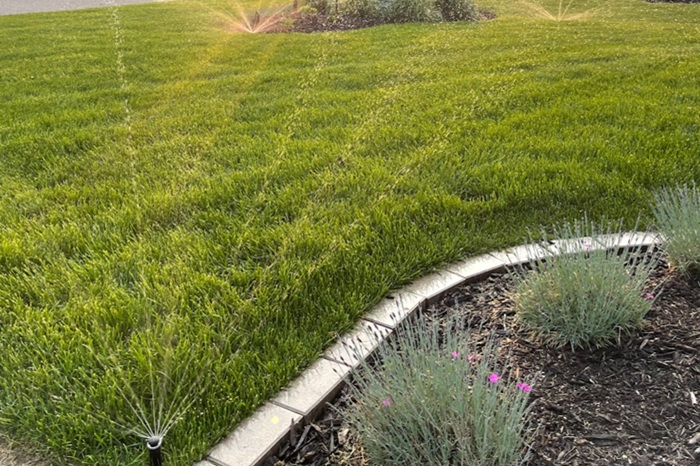
Property owners often assume irrigation installation follows the same process in every yard. In practice, the approach changes significantly depending on whether the system is installed during new landscape construction or added later to an existing property. Soil conditions, established plantings, hardscape elements, and underground utilities all influence how irrigation infrastructure is planned and installed. Companies like Rock Solid Services regularly encounter these differences when evaluating landscapes, where site conditions determine pipe routing, sprinkler placement, and installation methods.
Understanding the contrast between new landscape installations and irrigation retrofits helps homeowners make informed decisions about planning, scheduling, and potential disruption. Established yards require careful evaluation of soil characteristics, plant groupings, existing structures, and installation techniques that limit damage to finished spaces. The sections below explore several key factors that shape irrigation design and installation, including soil testing, zone planning, hardscape challenges, trenchless installation techniques, and the level of disruption homeowners should expect. Each factor plays an important role in how modern irrigation systems are designed for long-term performance.
Soil Testing Requirements Before Installing Irrigation in an Established Yard
Installing irrigation in an established yard begins with evaluating the soil profile to understand how water moves through the ground. Soil composition directly affects how irrigation systems are designed, because sandy soils drain quickly while clay soils retain water and can easily become oversaturated. A soil test identifies the percentage of sand, silt, and clay present, which determines infiltration rates and helps designers determine sprinkler spacing, precipitation rates, and watering cycles.
Compaction is another critical factor evaluated during soil testing. Many existing yards have experienced years of foot traffic, lawn equipment use, and natural settling. Compacted soil restricts water movement and reduces root oxygen levels. Testing may involve core sampling or infiltration testing to measure how quickly water penetrates the soil surface. These measurements guide irrigation scheduling so that water is applied slowly enough to prevent runoff while still reaching plant roots effectively.
Testing also evaluates soil nutrients and organic matter levels. While irrigation systems deliver water rather than fertilizer, soil fertility influences plant water demand and root development. Landscapes with low organic matter often experience rapid drying and inconsistent moisture retention. Understanding these conditions allows irrigation designers to adjust watering intervals appropriately. These soil insights help determine how modern irrigation systems should distribute water to maintain stable moisture conditions across lawns and plant beds.
How Plant Beds and Lawn Zones Influence Irrigation Layout Decisions
Landscape irrigation systems are organized into zones so that different plant types receive the appropriate amount of water. Turfgrass, ornamental beds, shrubs, and perennial plantings all have distinct moisture requirements. Turf areas generally require consistent, even coverage using rotor or spray heads spaced to create overlapping spray patterns. Plant beds often require lower precipitation rates delivered through drip emitters or specialized low-volume systems that reduce evaporation and surface runoff.
Established landscapes frequently contain a mix of mature plantings that evolved over time rather than being installed simultaneously. This variety requires irrigation designers to separate lawn zones from planting zones so watering schedules can be adjusted independently. Drip irrigation systems are commonly used in shrub and perennial beds because they deliver water directly to root zones while minimizing overspray onto foliage or hard surfaces.
The physical layout of plant beds also influences piping routes and sprinkler head placement. Irregular bed shapes, elevation changes, and root systems must be considered when planning irrigation coverage. Mature trees and shrubs can block spray patterns or absorb large quantities of water, requiring designers to adjust head spacing and flow rates to maintain uniform moisture levels throughout the landscape.
Challenges of Retrofitting Irrigation Around Existing Hardscape Features
Retrofitting irrigation systems into finished landscapes introduces obstacles that do not exist during new construction. Patios, retaining walls, walkways, and driveways often occupy areas where irrigation lines would normally be routed. These structures limit trenching access and require installers to carefully plan pipe routes that avoid undermining structural elements or damaging finished surfaces.
Hardscape features also influence sprinkler head placement and water distribution patterns. For example, patios and seating areas require precise spray control so water does not reach paved surfaces. Irrigation designers often use specialized nozzles or drip systems near these structures to limit overspray while maintaining adequate moisture for nearby plantings.
Underground utilities represent another challenge during retrofit installations. Gas lines, electrical conduits, and drainage pipes may already exist beneath the landscape. Locating and mapping these utilities is necessary before trenching begins to prevent damage. Established landscapes frequently contain undocumented installations from previous projects, which means irrigation contractors must work cautiously and adapt installation strategies as they encounter subsurface obstacles.
When Trenchless Irrigation Installation Becomes the Better Option
Trenchless irrigation installation methods are often selected when landscapes contain extensive hardscape features or mature plantings that should remain undisturbed. Traditional trenching involves digging continuous trenches to place irrigation pipes, which can disrupt lawns, garden beds, and finished outdoor spaces. Trenchless methods reduce this disruption by installing pipes through narrow underground tunnels created using specialized boring equipment.
This approach is commonly used when irrigation lines must pass beneath driveways, sidewalks, or patios. Horizontal boring equipment creates a path beneath the obstacle without cutting into the surface above. Once the bore path is complete, irrigation pipes are pulled through the tunnel and connected to the surrounding system components. This technique allows installers to maintain structural integrity while still providing water access to isolated sections of the landscape.
Trenchless installation is also valuable in landscapes with mature trees and established root systems. Excavating near large roots can damage trees or destabilize soil around the trunk. By tunneling beneath the root zone rather than trenching through it, installers protect the health of established plantings while still delivering irrigation lines to the required areas of the yard.
Expected Landscape Disruption During an Irrigation Retrofit
Retrofitting irrigation into an established property inevitably causes some level of landscape disruption, although modern installation methods aim to minimize the impact. Trenches are typically narrow and strategically routed to follow lawn edges, planting borders, or previously disturbed soil areas whenever possible. Once irrigation lines are installed, the soil is compacted and restored so turf and planting beds can recover quickly.
The amount of disruption depends heavily on landscape complexity. Large open lawns allow irrigation lines to be installed efficiently with minimal disturbance. Landscapes with dense plantings, decorative stone features, or intricate garden layouts require more careful excavation and restoration work. Experienced contractors plan pipe routes that preserve existing design elements while maintaining adequate system performance.
Homeowners working with Rock Solid Services often find that restoration is completed shortly after installation. In many cases, turf sections are lifted, irrigation lines are placed underneath, and the grass is reinstalled the same day. This approach helps maintain the appearance of the landscape while allowing modern irrigation systems to be integrated into established properties in areas such as Andover, MN.
Planning irrigation for an established landscape requires careful evaluation of soil conditions, plant groupings, underground utilities, and existing hardscape features. Each of these factors influences how irrigation zones are designed and how installation is performed. Soil testing helps determine water infiltration rates, zoning decisions ensure plant beds and turf receive appropriate moisture levels, and specialized installation techniques protect patios, walkways, and mature trees during retrofit projects.
Rock Solid Services provides landscape and irrigation expertise that supports property owners throughout this process. Their team works with homeowners to evaluate yard conditions, plan irrigation layouts, and integrate modern systems into both new and existing landscapes. From soil analysis and zone planning to trenchless installation methods and careful landscape restoration, the goal is to deliver reliable water distribution while protecting the overall design of the property.
Homeowners who want guidance on irrigation planning or retrofit installations can speak directly with the team at Rock Solid Services. Their office is located at 2308 135th Lane NW, Andover, MN 55304, and they can be reached at 763-398-0739 to discuss irrigation planning, landscape integration, and installation strategies. To start a conversation about your property, visit the contact us page and connect with their team.