How to Plan a Landscape Project From Concept to Completion
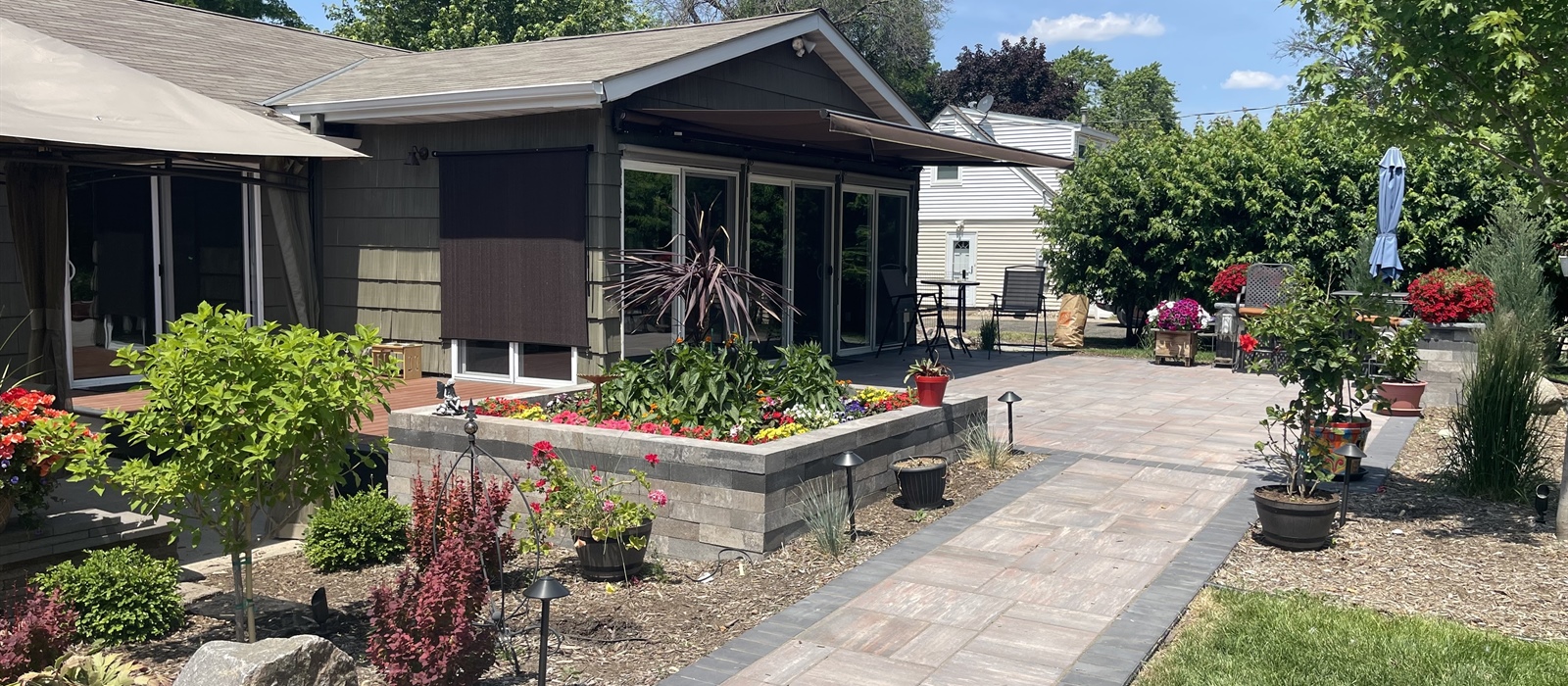
Planning a landscape project is more than just picking out a few plants or deciding where to place a patio. It’s a comprehensive process that blends creativity, technical skill, and strategic foresight.
Whether you’re starting with a blank slate or renovating an existing yard, taking the right approach from the outset helps ensure your investment pays off in terms of functionality, beauty, and value.
At Rock Solid Services, we’ve seen firsthand how a well-planned landscape transforms not just spaces, but also how people use and enjoy them every day.
From identifying site conditions to mapping out drainage and elevation shifts, success starts with detailed planning and smart choices. Each property is different, and the choices you make early on—about budget, features, materials, and design direction—have lasting impacts.
Whatever your goals, this article will guide you through the critical stages of planning, designing, and implementing a landscape project, helping you avoid common setbacks and maximize your results.
Each of these steps is crucial to making the most of your investment in landscaping services that are built to last.
Key Questions to Ask Before Beginning a Landscape Project
Starting a landscape project requires more than visual inspiration—it demands a solid understanding of your property, goals, and budget. The first question should always center around your “why.”
- Are you hoping to improve curb appeal, increase property value, create usable outdoor living space, or solve a practical issue like drainage or erosion?
Understanding your core purpose helps shape every design and construction decision.
Equally important is knowing your budget from the outset. Not all enhancements need to happen at once, so
2. What are your must-haves versus future phases?
Identifying this lets you stay financially grounded while still aiming for long-term results.
Next, assess the site conditions.
3. What is your soil composition?
4. Where does water drain?
5. Are there utility lines or property easements?
A professional site evaluation can reveal complications that impact feature placement or require special accommodations.
It’s also critical to determine how much maintenance you’re willing to handle.
6. Do you prefer regular upkeep and time gardening, or would you rather keep it simple and hands-off?
Some plantings and materials require more attention than others, and sustainable design hinges on aligning your desired aesthetic with your lifestyle and maintenance tolerance. The earlier these elements are identified, the more cohesive and functional your project will be.
Finally, consider how you want to utilize your space.
7. Will it be a quiet retreat, an entertainment hub, a safe area for kids or pets, or something else entirely?
Clarifying use cases influences layout, flow, and feature selection.
All of these questions are best answered before you speak with a contractor or designer. They provide a framework for effective planning and help ensure you communicate clearly about your priorities when hiring a team for your landscaping services.
Choosing the Right Landscape Features for Your Property
Feature selection should begin with how your outdoor space needs to function. Consider lifestyle needs—do you entertain frequently, need seating or dining areas, or require clear walkways for accessibility?
Evaluate the natural layout of your property: sloped yards may benefit from retaining walls or tiered patios, while flat areas are ideal for fire pits, water features, or recreational zones. A successful design respects both the functional use of the space and how it visually flows with the home’s architecture and surroundings.
Climate and soil conditions also guide the selection of plants and materials. In Minnesota, freeze-thaw cycles, heavy rains, and snow accumulation make certain pavers, retaining wall systems, and irrigation setups more viable.
Native and zone-hardy plantings provide long-term beauty with lower maintenance and water requirements. Smart irrigation systems can automate watering schedules and adapt to weather conditions, conserving resources and preventing overwatering. These features not only boost convenience but also support the overall sustainability of the landscape design.
Balance is key. Too many features can overcrowd the yard and complicate maintenance, while too few may not fully serve your goals. Visual weight and focal points must also be considered.
A built-in grill station might be a great centerpiece, but it requires electrical and gas access.
A winding stone path can lead the eye across your garden, but needs to be paired with appropriate plantings.
As you explore options for your outdoor environment, understanding both design cohesion and construction feasibility will help narrow down the most practical and visually appealing options. For ongoing upkeep after installation, Rock Solid Landscape also provides lawn care services to protect your investment year-round.
The Role of a Professional Landscape Designer in the Planning Phase
A professional landscape designer plays a central role in bridging your vision with what’s structurally and environmentally possible.
During the planning phase, designers conduct detailed site analyses to evaluate factors such as elevation, drainage, sunlight exposure, and soil conditions. They also consider local permitting requirements and utility clearances.
This insight enables optimized space planning, thereby reducing the risk of costly mistakes during installation. Designers also help synthesize aesthetic and functional needs into a cohesive, buildable plan that considers future maintenance and growth.
Beyond technical assessments, designers guide you in prioritizing goals and phasing projects if needed. For example, they can recommend how to prepare a yard for future hardscaping or suggest where to place lighting infrastructure in the early stages to minimize disruptions later.
Designers also help with material selection—choosing the right stone, plant species, or paver systems suited to local climate and site conditions. With their experience, they can foresee challenges before they arise and propose alternatives that align with your budget and long-term plans.
At Rock Solid Services, designers also work closely with installation crews to maintain consistency from concept through execution. This collaboration reduces design interpretation errors and allows real-time adjustments based on field conditions.
Their oversight is particularly valuable in more complex builds involving grading, multi-zone irrigation, or custom outdoor features. Hiring a designer during the planning phase enhances both the aesthetic outcome and structural longevity of the landscape—ensuring that what looks great on paper performs well in real-world conditions.
Understanding the Timeline of a Landscape Project
Landscape projects typically follow a structured sequence that spans multiple phases: consultation, design, permitting (if needed), site preparation, installation, and final walkthrough.
The timeline varies based on project scope, weather, and municipal regulations, but most residential builds fall within a 2 to 8-week range once installation begins.
Consultation & Estimating
The initial consultation and design phase can take 1 to 3 weeks, depending on the complexity of the property and how quickly design revisions are approved.
During this period, a site analysis is performed and a detailed design plan is created, including layout, material choices, and cost estimates.
Scheduling
Once the plan is finalized and materials are sourced, the next step is scheduling. Contractors coordinate crews, order supplies, and prepare for excavation or grading.
Weather delays are a common factor, especially in regions like Minnesota, where spring thaw or summer storms can impact start dates.
Construction & Final Walk-Through
During construction, tasks are sequenced carefully to maintain efficiency—hardscaping typically precedes plant installation to prevent root damage or soil compaction.
Irrigation and drainage systems are installed in parallel with grading to manage water flow before surfacing or planting occurs.
Homeowners should also anticipate final inspections and walk-throughs after project completion. These reviews ensure the build matches the original design and that systems like irrigation are functioning correctly.
Maintenance tips are often provided at this stage to help clients preserve their investment.
Understanding this timeline up front helps set realistic expectations and gives you the opportunity to schedule around critical dates, especially for seasonal events or property use. Planning and clear communication at each phase are key to a smooth, efficient landscaping project.
Partner with Rock Solid to Bring Your Landscape to Life
Whether you’re just beginning to gather ideas or are ready to break ground, Rock Solid Services in Andover, MN, offers the experience, structure, and attention to detail required for successful landscape projects from concept to completion.
We specialize in advanced grading, drainage control, hardscaping, irrigation, and full-service planting and lawn care. Every project is carefully planned by licensed professionals and executed with premium equipment, verified on-site by experienced foremen.
Whether you need a full outdoor transformation or strategic upgrades, we tailor each phase to your property’s unique features and your lifestyle goals.
If you're ready to start planning or want expert feedback on your landscape ideas, request consultation with us today. Reach out directly at 763-398-0739 to get started on a landscape plan that’s built to perform, built to last, and built Rock Solid.