Landscaping for Drainage: Solving Water Runoff & Foundation Issues
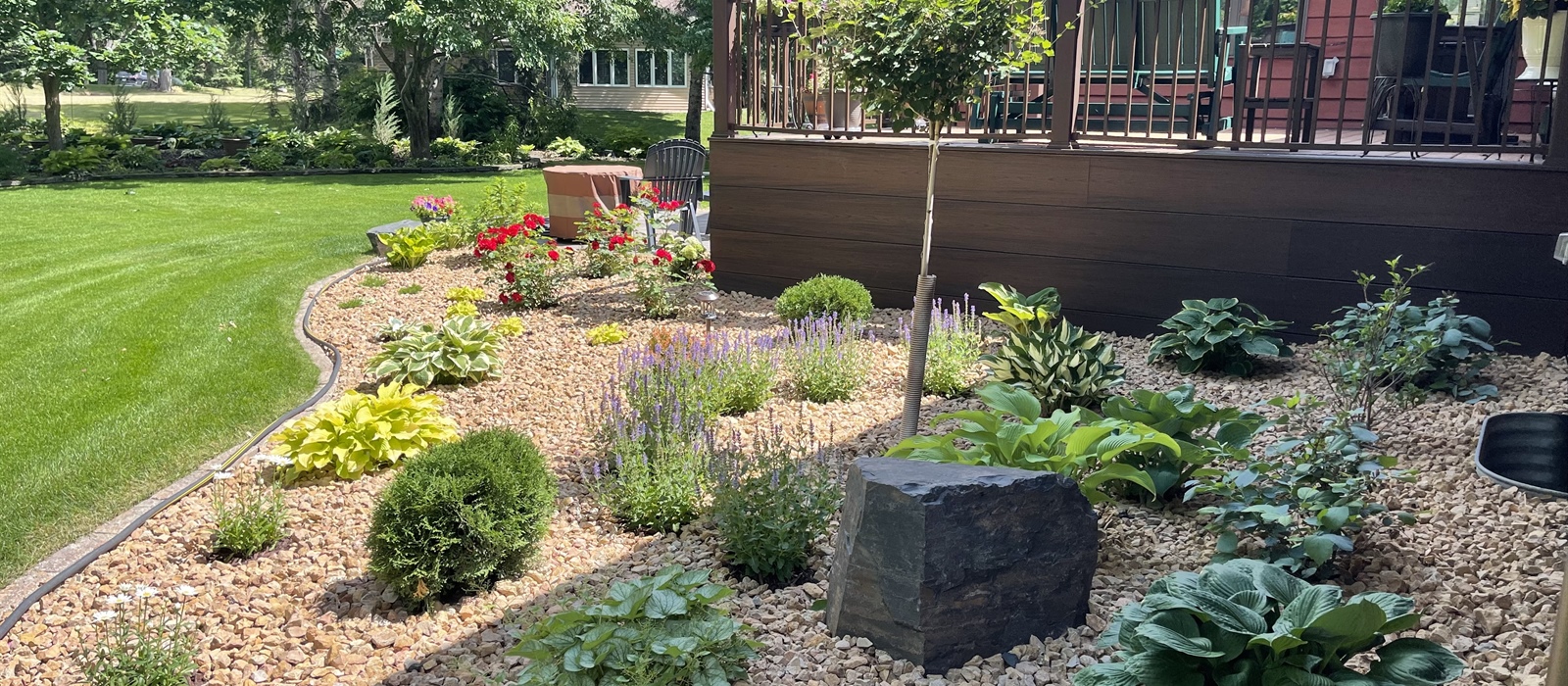
Unchecked water runoff can cause more than just soggy lawns. Over time, it may lead to severe property damage, foundation erosion, basement flooding, and landscape deterioration.
Whether you're a homeowner noticing standing water near your foundation or a business owner with pooling issues around your property, proper drainage is key. Landscaping for drainage is more than redirecting water—it's about protecting your property, promoting healthy plant growth, and maintaining the integrity of your outdoor spaces.
From reshaping land contours to installing smart features, well-executed landscape drainage is both functional and sustainable.
In this article, we’ll explore practical strategies to resolve water runoff issues through landscaping. If you're aiming to protect your property and landscape, these methods provide a well-rounded, evidence-backed approach to effective drainage.
For more help with drainage challenges, check out our landscaping services available through Rock Solid Services in Andover, MN.
Grading Techniques That Prevent Foundation Damage Through Proper Water Diversion
Improper grading is a leading cause of water damage around homes and commercial buildings. The most effective approach starts with a positive slope away from the foundation.
Industry standards recommend a minimum slope of 5%—or about 6 inches of drop over the first 10 feet—to guide water safely away from the structure. This prevents hydrostatic pressure buildup against basement walls and crawl spaces, which is a frequent cause of foundation cracks and leaks.
Grading adjustments should extend beyond the immediate perimeter to ensure water doesn't flow back toward the structure during heavy rainfall.
To achieve optimal results, land is often re-contoured using compacted fill material layered in lifts and stabilized with turf, erosion control blankets, or even retaining features. In more complex properties or larger commercial lots, land grading may also incorporate terracing or slope breaks to slow water and limit runoff velocity.
These techniques reduce erosion risks and promote controlled drainage into designated collection or absorption areas. Using topographic surveys and hydrological planning tools ensures that the grading strategy aligns with real-world drainage behavior.
For ongoing runoff control, landscape enhancements such as turf swales and surface drains can supplement grading by collecting water that overflows during extreme weather events. A well-executed grading plan supports the effectiveness of all other drainage elements.
Using Permeable Paving to Effectively Manage Surface Runoff
Traditional hardscape materials, such as concrete and asphalt, exacerbate runoff by preventing water infiltration. Permeable paving systems address this by allowing water to flow through their surface and into underlying aggregate layers, where it slowly disperses into the subsoil.
These systems include permeable pavers, porous concrete, and permeable asphalt, each engineered with high void ratios to encourage infiltration. They are especially effective in driveways, patios, walkways, and parking areas where conventional paving would otherwise contribute to stormwater surge.
Residential landscapes benefit from permeable pavers around entryways and courtyards, reducing runoff and supporting groundwater recharge. Commercial installations often use these systems in combination with catchment basins or bioswales to meet stormwater management regulations.
The design must consider the infiltration rate of the native soil, expected traffic load, and maintenance access. Regular vacuum sweeping and cleaning ensure the void spaces remain unobstructed for long-term function. These systems offer the dual benefit of durability and drainage without sacrificing aesthetic appeal.
Permeable hardscaping solutions align with sustainable design goals and local water quality initiatives. They’re an ideal option in Andover, MN, where seasonal storms can strain surface water systems. For help integrating these into your property’s design, explore our lawn care services that emphasize both beauty and functionality.
Strategic Use of Swales & Berms for Efficient Water Flow Redirection
Swales and berms are essential tools in landscape drainage design, working together to redirect surface water and control runoff across a property. Swales are shallow, sloped channels designed to collect and move water laterally across a landscape.
They guide runoff toward designated drainage points such as rain gardens, dry wells, or retention basins. Berms, in contrast, are raised earthen mounds used to block, redirect, or slow water flow. Positioned together, berms can funnel water into swales, enabling more precise control of its path.
For swales to perform efficiently, their slope should range between 1–5%, with gentle side slopes to minimize erosion and facilitate mowing or planting. Berms must be compacted to prevent erosion and constructed with stabilized soil or sod reinforcement. Swale bottoms may be lined with grass, riprap, or gravel to slow the water’s velocity and allow sediment to settle.
In climates with freeze-thaw cycles like Minnesota, the materials used for swale construction should be frost-resistant to avoid degradation over time.
Swales and berms should be part of a larger integrated stormwater plan that considers catchment area size, flow rate, and soil absorption capacity. These features not only manage water but can enhance curb appeal and support biodiversity when planted with appropriate vegetation. Proper grading and spacing are key to ensuring they complement, not compete with, other drainage structures on the site.
Best Plant Selections & Soil Treatments for Heavy Clay and Compacted Sites
Improving drainage in clay-heavy or compacted soils begins with choosing the right plants and amendments. Clay soils have fine particles that bind tightly, limiting pore space and slowing water movement.
Native grasses like switchgrass and prairie dropseed, as well as moisture-tolerant perennials like daylilies and black-eyed Susans, are well-adapted to these conditions. Their deep, fibrous roots naturally aerate the soil and improve permeability over time. Trees such as river birch and red maple can also thrive in dense soils while contributing to long-term drainage improvement.
Soil amendments play a pivotal role. Organic matter, such as compost, aged manure, or leaf mold, is the most effective and sustainable amendment. It helps aggregate fine clay particles into larger clumps, enhancing soil structure and drainage.
Expanded shale or gypsum can also be used to break up compaction, particularly where root penetration is a concern. Incorporating 2–4 inches of organic matter into the top 8–10 inches of soil is typically recommended, followed by mulching to retain soil moisture and protect the amended layer.
Regular aeration of compacted soil areas—mechanical or manual—should be part of the maintenance routine to keep the soil loose and absorbent. When combined with the right plantings, these efforts not only improve drainage but also create healthier soil ecosystems that support long-term plant vitality.
Integrating Rain Gardens & Bioswales to Filter & Absorb Stormwater
Rain gardens and bioswales are natural solutions for managing stormwater runoff by using soil and vegetation to slow, filter, and absorb excess water.
A rain garden is a shallow, landscaped depression planted with deep-rooted native plants and grasses. It's typically located near roof downspouts, driveways, or other impervious surfaces to capture runoff. As water filters through the layers of mulch, soil, and roots, pollutants like oil, sediment, and nutrients are removed before reaching groundwater or storm drains.
Bioswales serve a similar purpose but are generally longer and wider, designed to convey water along a slope. They often include engineered soil and rock layers to maximize filtration and percolation.
Both systems can significantly reduce runoff volume, improve water quality, and enhance the aesthetic appeal of a property. Proper siting is essential—they must be positioned to intercept flow paths and designed based on expected runoff volumes. Overflow structures or underdrains may be included for heavy storm events.
These features contribute to sustainable landscape design and help meet local stormwater management standards. In addition to environmental benefits, they support pollinators and wildlife, especially when planted with native species.
For expert guidance on integrating these elements, contact Rock Solid Services in Andover, MN, and explore how ecological function can be matched with visual appeal.
Get Professional Help with Your Drainage Challenges
Addressing water runoff issues requires more than short-term fixes—it calls for a thoughtful strategy grounded in soil science, hydrology, and practical landscaping experience. Whether you're dealing with poor grading, pooling water on hardscapes, compacted soils, or simply want a sustainable way to filter stormwater, Rock Solid Services has the tools and knowledge to help.
Our team designs and implements solutions tailored to the specific challenges of Minnesota properties, using proven techniques like grading, swales, permeable paving, and rain gardens to prevent water damage and support healthy, functional landscapes.
Based in Andover, MN, our experts bring decades of experience in transforming outdoor environments through effective water management.
If you're ready to take the next step in solving your drainage issues, request a consultation with Rock Solid Services. Our team is available to assess your site, identify drainage deficiencies, and develop a customized plan that fits your property’s needs. For expert service, contact us today at 763-398-0739.