Preparing Your Landscape for Seasonal Changes: Year-Round Guide
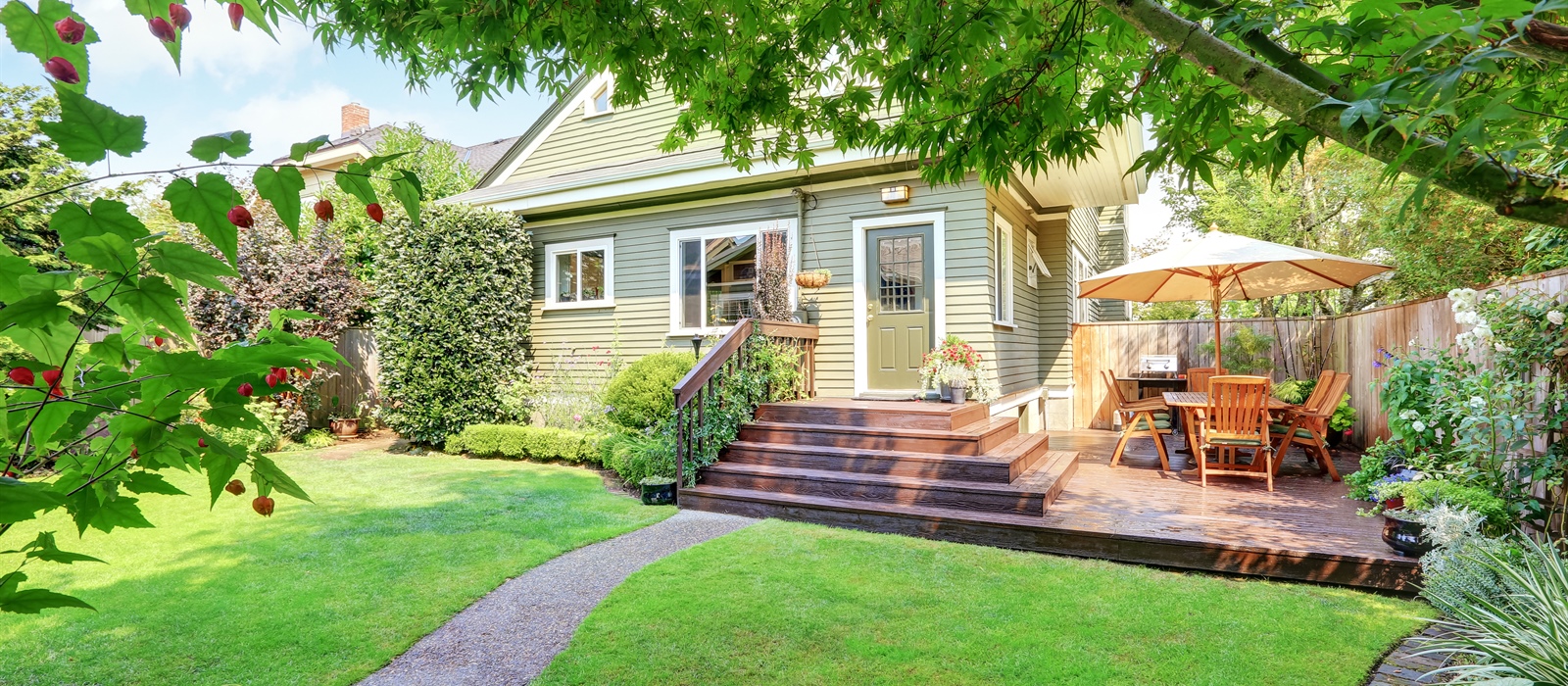
Seasonal changes can be both beautiful and challenging for homeowners invested in maintaining a healthy, attractive landscape.
Each season places different demands on your yard—winter brings dormancy, spring signals revival, summer accelerates growth, and fall prepares everything for the freeze. When not managed properly, these shifts can cause stress to lawns, trees, hardscapes, and irrigation systems.
That’s why understanding how to prepare your landscape for these cycles is crucial to maintaining its health and visual appeal throughout the year.
Whether you're dealing with lingering winter debris, high summer temperatures, or prepping for the first frost, knowing what actions to take—and when—can significantly impact the performance of your outdoor space.
This article from Rock Solid Services explores how to handle the most critical seasonal landscaping tasks. From spring cleanup after the snow melts to summer maintenance that promotes growth and resilience, we’ll dive into the seasonal steps every property owner should know.
If you're looking to maintain a healthy yard through every season, start with this breakdown of proven practices and expert advice. Learn more about lawn care services that support your seasonal upkeep needs.
Spring Cleanup Strategies to Revitalize Your Landscape After Winter
Spring is a critical season for landscape rejuvenation. After months of snow cover, low temperatures, and dormancy, lawns and plant beds need immediate attention to restore health and prepare for active growth.
- The first step is to remove any winter debris, including fallen branches, dead leaves, and salt residue left behind from snow treatments. This not only improves aesthetics but also prevents mold, pests, and disease from taking hold.
- Raking out matted grass and dethatching helps break up compacted areas, allowing air, water, and nutrients to reach the soil and roots.
- Pruning is another important component of spring cleanup. Trees and shrubs that suffered winter damage need careful trimming to remove broken or dead limbs, encourage healthy new growth, and maintain shape.
- Perennial plants also benefit from deadheading and cutting back old growth to make way for vibrant new blooms.
- Lawn care should include a gentle first mow with sharpened blades and an application of spring fertilizer to kickstart the growing season. Aeration may be appropriate if the soil is overly compacted, especially in high-traffic areas.
Once initial cleanup is complete, early-season tasks such as mulching, edging garden beds, and seeding bare patches in the lawn establish a solid foundation for the months ahead.
By clearing away winter's remnants and replenishing essential nutrients, homeowners position their yards for success in the growing season.
Summer Landscape Maintenance Techniques for Sustained Growth & Plant Health
Summer maintenance focuses on keeping your landscape vigorous during peak growing conditions and prolonged heat.
Irrigation
Effective irrigation management is essential during this period. Watering early in the morning or late in the evening minimizes evaporation, allowing for deep root absorption.
Lawns typically require about one inch of water per week, whether from rainfall or supplemental irrigation.
Overwatering can lead to fungal growth and root rot, while underwatering may cause drought stress and weak plant development.
Automated systems should be monitored and adjusted based on precipitation and seasonal demand.
Mowing & Fertilizing Turf
Mowing practices play a major role in preserving turf health. During the summer, keeping grass blades slightly higher helps shade the soil and reduce moisture loss.
It's also important to mow regularly, but avoid cutting more than one-third of the blade at a time.
Fertilization schedules must be maintained with caution; too much nitrogen during extreme heat can burn grass and stimulate growth that the roots cannot support.
Weeds and pests should be monitored continuously, with targeted treatments to avoid competition for nutrients and potential damage to desired vegetation.
Plant & Flower Care
Mulch layers in planting beds not only conserve soil moisture but also moderate temperatures and suppress weeds.
Deadheading flowering plants and removing diseased leaves promote continued blooming and prevent the spread of illness.
For properties with hardscaping or decorative stone features, regular inspections ensure that no settlement or shifting has occurred due to fluctuating soil moisture. These proactive practices protect your investment and maintain outdoor aesthetics. Learn more about comprehensive landscaping services designed to support healthy landscapes throughout the summer months.
Fall Landscaping Preparations to Safeguard Plants & Soil for Winter
Fall is a transitional season that allows homeowners to prepare their landscapes for the challenges of winter while setting the stage for early spring growth.
- One of the most important fall tasks is leaf management. Accumulated leaves can suffocate grass, promote fungal diseases, and create slippery conditions. Regular raking or mulching leaves into fine particles using a mower helps nourish the soil without smothering the turf.
- It’s also an ideal time for final mowing—gradually reducing blade height before the first frost hardens the ground and puts lawns into dormancy.
- Applying a fall fertilizer rich in potassium strengthens root systems and improves cold resistance.
- Aeration during this time relieves soil compaction and creates channels for air, nutrients, and moisture to reach the root zone.
- Overseeding can fill in bare areas and promote thicker, healthier grass in the next growing season.
- In planting beds, perennials should be cut back to manage pests and disease. Bulbs, such as tulips and daffodils, should be planted now for early spring color.
- Adding a fresh layer of mulch also provides insulation and prevents soil erosion through the freeze-thaw cycle.
Tree Preparation
Tree and shrub protection is also critical. Wrapping trunks of young trees with protective materials helps guard against sunscald and rodent damage.
Anti-desiccant sprays or burlap wraps can help evergreens retain moisture during drying winter winds.
Drainage should be assessed to prevent standing water and ice damage near the base of plants. By addressing these key fall preparation tasks, property owners enhance their landscape’s resilience and reduce the likelihood of winter damage, ensuring a smoother transition into spring.
Winterizing Hardscapes & Irrigation Systems to Prevent Seasonal Damage
Winterizing your landscape extends beyond plant care—it also involves protecting hardscapes and irrigation systems from freeze-related damage.
Pavers & Hardscaping
Freeze-thaw cycles in cold climates can cause cracking, shifting, and structural issues in patios, walkways, retaining walls, and other built elements.
Inspecting these features before the onset of freezing temperatures allows for minor repairs and sealing, which can reduce water infiltration and potential frost heave.
Paver joints should be checked for gaps, and surfaces should be cleaned of organic material that might retain moisture or cause staining over the winter months.
Drainage, Lighting, & Irrigation
Drainage is especially important during winter. Poor runoff can lead to standing water, which freezes and expands, damaging hardscape materials and foundations.
Clearing gutters, downspouts, and drainage channels directs water away from critical structures. Where applicable, low areas that collect water may need temporary regrading or drainage pipe extensions.
Landscape lighting and low-voltage wiring should be protected from snow shoveling or plowing activities by clearly marking fixture locations and ensuring cable integrity.
For irrigation systems, proper shutdown is vital to avoid costly repairs in the spring. This process includes turning off the water supply, opening drain valves, and blowing out the system using compressed air to remove residual moisture.
Neglecting this step can lead to frozen pipes, cracked sprinkler heads, and damaged valves. Drip irrigation lines and timers should also be disconnected and stored if not winter-rated.
Proactively managing these systems prevents downtime and damage while ensuring that all landscape elements remain intact and functional when spring arrives.
Rock Solid Services Supports Your Seasonal Landscape Needs
Maintaining a healthy, vibrant landscape across Minnesota’s changing seasons requires year-round care, informed strategy, and timely action. From spring cleanup that jumpstarts your lawn’s revival to summer maintenance routines that nurture sustained growth, every step plays a role in overall landscape health.
Rock Solid Services understands the demands of seasonal transitions and provides expert-level solutions tailored to the Twin Cities region. Our team applies decades of field experience to deliver strategic care that supports soil integrity, plant resilience, irrigation reliability, and curb appeal.
We’ve built a reputation for dependability and attention to detail across every service we offer, from lawn maintenance to hardscape preservation and beyond.
If you're ready to protect and enhance your outdoor spaces through all four seasons, partner with a team that understands the science and timing behind successful landscape management.
Contact us today at 763-398-0739 or begin your seasonal transformation with an online request consultation.