The Art of Nightscaping: Outdoor Lighting Design & Techniques
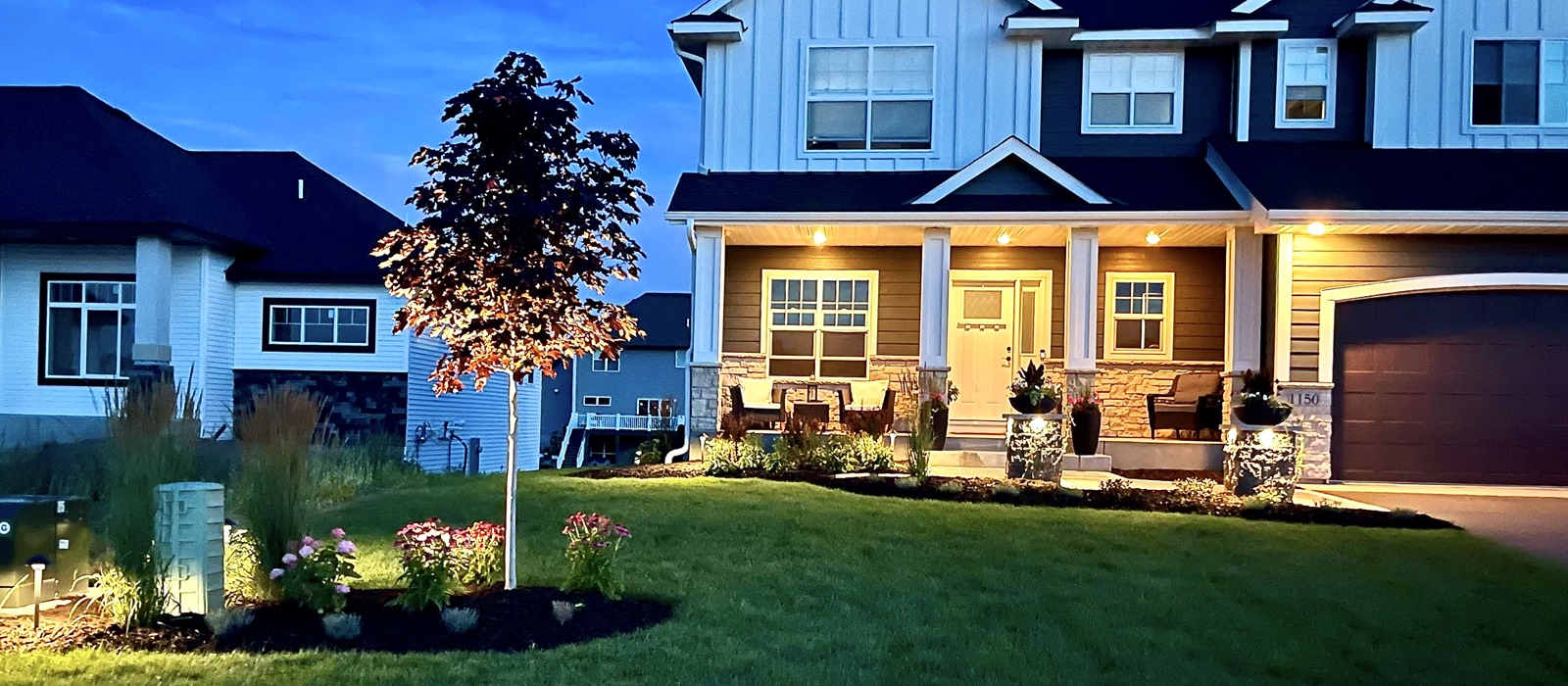
Nightscaping is more than just flipping a switch after sunset—it's about transforming your outdoor space into a functional, inviting, and stunning nighttime landscape.
The strategic use of light not only enhances the aesthetics of your home but also improves safety and usability. Whether you're showcasing a beautifully manicured garden, guiding guests along a winding pathway, or casting dramatic shadows across architectural elements, nightscaping blends technical lighting design with artistic sensibility to illuminate your outdoor environment in intentional ways.
With countless outdoor lighting options available today, it can be challenging to know which fixtures best suit your space or how to create a plan that balances form and function. From selecting the right fixtures to highlighting your home’s unique features, each element of nightscaping plays a role in shaping how your property looks and feels after dark.
Rock Solid Services helps homeowners and property managers in Andover and beyond maximize the use of their outdoor spaces with custom solutions designed to enhance curb appeal and nighttime visibility.
This blog will cover the essential elements of successful nightscaping to help you understand and implement effective lighting strategies. If you're inspired to take action, explore our outdoor lighting services to learn more about our offerings.
Outdoor Lighting Fixtures & Their Practical Uses
Outdoor lighting fixtures serve different purposes, each designed to meet specific functional and aesthetic goals.
- Path lights are commonly used to illuminate walkways and driveways, improving visibility and safety for nighttime navigation.
- Spotlights and uplights are perfect for drawing attention to focal points like trees, statues, or water features, creating visual interest through contrast and shadow.
- Wall-mounted lights such as sconces offer practical lighting for entrances and patios, while floodlights provide wide-angle illumination for large spaces or added security around a property’s perimeter.
- Post lights are ideal for open areas like driveways or gardens, delivering both style and illumination from a higher vantage point.
- Deck and step lights are installed low along stairs, railings, or platforms, enhancing safety while adding a subtle glow.
- Bollard lights offer another stylish solution for guiding foot traffic along walkways, and hanging or pendant lights can enhance covered porches or outdoor dining areas with a decorative flair.
Selecting the right combination of fixtures ensures not only effective lighting but also contributes to the overall design narrative of the landscape.
Each type of fixture offers unique advantages based on its position, spread, and intensity. The key is to use them in a layered approach that combines ambient, task, and accent lighting to create depth and dimension throughout the space.
Rock Solid Services emphasizes this principle by curating lighting plans that combine various fixture types to strike a balance between form and function. To learn more about integrating diverse fixtures into your design, visit our page on outdoor lighting.
How to Design Outdoor Lighting Plans That Balance Safety & Ambiance
A well-designed outdoor lighting plan accounts for both visibility and visual appeal. For safety, light should guide movement through spaces like steps, walkways, and entry points without causing glare or harsh contrasts.
Task lighting—such as downlights or recessed step lights—ensures that high-traffic areas are easy to navigate at night. Safety-focused lighting needs to be positioned precisely to avoid dark spots or excessive brightness, which can cause discomfort or create shadows that defeat its purpose.
To create ambiance, accent lighting comes into play. This involves using soft, indirect lighting to build atmosphere around patios, gardens, and architectural elements.
Techniques like uplighting trees, washing walls with light, or silhouetting plantings provide texture and mood to an otherwise flat nighttime scene.
Incorporating dimmers and zoning controls adds versatility, allowing different areas to adapt based on activity or season. This level of detail supports both functional use and emotional impact in the space.
Energy-Saving Techniques Using LED Lighting
Modern outdoor lighting systems increasingly rely on LED to reduce energy consumption without sacrificing performance.
LED lights are highly efficient, converting a greater percentage of electricity into usable light while emitting less heat.
They also last significantly longer than traditional incandescent bulbs—often up to 50,000 hours—making them a cost-effective and low-maintenance choice for outdoor environments.
Their small size and directional output allow for flexible design options and precise illumination control.
Techniques for Highlighting Architectural Features & Landscape Plantings
Architectural lighting enhances the structural beauty of a home by casting light on specific elements like columns, stone facades, eaves, or entryways.
Uplighting is one of the most effective methods for these applications—it creates contrast and visual interest by projecting light from below, emphasizing texture and form.
Wall washing, where lights are positioned to graze the surface at a wider angle, can illuminate larger sections of masonry or siding with even coverage.
When applied correctly, these methods draw attention to the craftsmanship and design of the home’s exterior while adding elegance after dark.
In the landscape, lighting plantings requires a more nuanced approach. Trees, shrubs, and flower beds offer vertical and horizontal layers that respond well to various lighting angles.
Moonlighting—placing fixtures high in a tree to mimic natural moonlight—casts gentle shadows and dappled light across the yard. For smaller plantings, soft uplighting or backlighting creates depth and silhouette effects, enhancing the nighttime character of flower beds or ornamental grasses.
The goal is to mimic natural light patterns while adding dimension and visual drama to the landscape.
Combining architectural and planting lighting brings cohesion to the overall scene. For instance, aligning the lighting direction and color temperature between structural and garden features ensures a harmonious blend.
Avoiding over-illumination is also critical—each element should be lit with intent to prevent clutter and maintain a natural ambiance.
Rock Solid approaches this type of lighting with a focus on precision and artistry, crafting layered compositions that celebrate both the built environment and the natural beauty of each property.
How Rock Solid Can Bring Your Nightscape Vision to Life
Whether you're starting from scratch or upgrading an existing outdoor lighting system, Rock Solid Services has the expertise to help you achieve both beauty and functionality in your nightscape design.
From selecting the right outdoor lighting fixtures to crafting comprehensive plans that improve safety and ambiance, our team provides customized solutions that bring each property to life after dark.
With a strong reputation for quality and a deep understanding of lighting design, we support homeowners through every step of the process, including long-term care and maintenance.
For tailored support and design expertise, request consultation with Rock Solid Services today. Call 763-398-0739 to get started on transforming your outdoor space into an illuminated work of art.