What Outdoor Living Features Add the Most Long-Term Home Value?
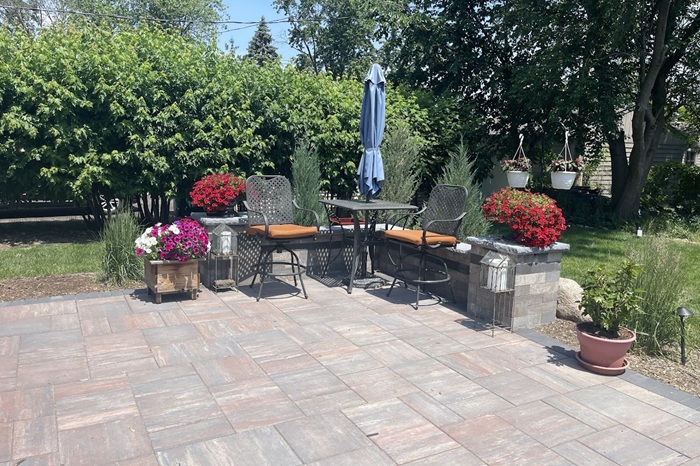
Outdoor living spaces have become one of the most practical ways homeowners increase both enjoyment and property value. Buyers increasingly look for functional outdoor areas that extend everyday living beyond the interior of the home. Features such as patios, fire elements, outdoor kitchens, and thoughtfully designed landscapes transform yards into spaces used for relaxing, entertaining, and gathering throughout the year. These improvements do more than improve aesthetics—they can influence resale value, buyer demand, and long-term property appeal.
Homeowners across Minnesota often explore different types of outdoor living features when planning upgrades, but determining which options add the most value requires understanding several factors. This article explores common questions homeowners ask before investing in exterior improvements. Topics include the resale impact of patios, pergolas, and outdoor kitchens, the maintenance differences between decking materials, the strong appeal of fire features in colder climates, ways to connect outdoor spaces with interior layouts, and the permits required for major exterior upgrades. Rock Solid Services regularly works with these types of improvements, and understanding the factors behind them helps homeowners make informed decisions before starting a project.
Resale Value Differences Between Patios, Pergolas, and Outdoor Kitchens
Outdoor upgrades influence resale value differently depending on cost, usability, and how broadly the feature appeals to potential buyers. Patios consistently rank among the highest-return exterior improvements because they create functional outdoor living space while requiring relatively modest construction costs compared to larger structures. Hardscape patios built with concrete pavers or natural stone expand entertainment space and often serve as the foundation for other outdoor amenities such as seating walls, fire features, and landscape lighting.
Pergolas add architectural interest and shade while defining specific outdoor areas. While they may not always produce the same return on investment as patios alone, pergolas enhance perceived value by creating a structured environment for seating or dining. When integrated with landscaping and hardscaping, they provide visual appeal and improve usability during sunny months. Pergolas often serve as transitional structures between patios, gardens, and seating areas, creating a cohesive outdoor environment.
Outdoor kitchens typically involve the highest installation cost among these three options due to utilities, built-in appliances, and permanent construction. Because of their expense, the resale value impact varies by neighborhood and home price range. High-end homes frequently see stronger returns because buyers expect luxury outdoor amenities. Outdoor kitchens often complement other outdoor living features that together create a complete entertaining environment.
Maintenance Costs of Wood vs Composite Decking Materials
Decking materials differ significantly in long-term maintenance requirements and associated costs. Traditional wood decking, particularly pressure-treated lumber or cedar, requires routine sealing, staining, or painting to protect the surface from moisture, ultraviolet exposure, and seasonal temperature changes. Without protective treatments, wood decks can warp, crack, or develop surface deterioration over time.
Composite decking materials are manufactured from a mixture of recycled wood fibers and plastic polymers. These materials are engineered to resist moisture absorption, insect damage, and UV fading. As a result, composite decks generally require far less ongoing maintenance than natural wood decks. Cleaning typically involves occasional washing rather than refinishing treatments.
Over a multi-year period, homeowners often find that composite materials reduce labor and maintenance expenses even though the initial installation cost is higher. Landscapes and decking installations are often planned together when evaluating broader exterior improvements. Rock Solid Services works with property owners evaluating these structural and landscape considerations through its services available at Rock Solid Services.
Why Fire Pits and Fireplaces Appeal to Minnesota Homeowners
Fire features hold strong appeal in northern climates because they extend the seasonal usability of outdoor spaces. Minnesota experiences long transitional seasons where evenings can be cool even during spring and fall. Fire pits and outdoor fireplaces create warmth that allows homeowners to comfortably use patios and gathering areas beyond the peak summer months.
Social interaction also plays a significant role in the popularity of fire features. Fire pits create a natural gathering point where seating can be arranged in circular or semi-circular configurations, encouraging conversation and group interaction. This social function makes fire features particularly attractive to homeowners who regularly host family gatherings or outdoor events.
Outdoor fireplaces offer a different experience than fire pits. They serve as architectural focal points that add visual structure to patios and outdoor rooms. When incorporated into a larger landscape design, fireplaces can define outdoor seating areas and provide wind protection while delivering the same warmth benefits associated with fire pits.
Designing Outdoor Living Spaces That Connect With Interior Home Layout
Successful outdoor living spaces often mirror the functionality of interior rooms. Designers frequently begin by analyzing how residents use adjacent interior spaces, such as kitchens, dining rooms, or family rooms. Outdoor patios located near kitchen access points support convenient food preparation and dining activities, allowing homeowners to move easily between interior and exterior areas.
Architectural continuity also strengthens the connection between indoor and outdoor environments. Designers often incorporate similar materials, color palettes, or structural elements that visually link interior spaces with outdoor features. For example, stone materials used on interior fireplaces may be echoed in patio walls or outdoor fire features.
Traffic flow represents another critical design factor. Wide door openings, sliding glass doors, and patio entrances positioned along natural walking paths allow outdoor spaces to function as extensions of the home rather than separate areas. When outdoor rooms align with interior layouts, homeowners experience a more seamless transition between living spaces.
Permits and Building Codes for Major Outdoor Upgrades
Local building codes regulate many outdoor construction projects to protect safety, structural integrity, and property boundaries. Permits are commonly required for structures such as decks, pergolas, outdoor kitchens with gas or electrical connections, and permanent fire features. Municipal building departments typically review structural plans, utility connections, and setback distances before approving construction.
Electrical and gas components often trigger additional code requirements. Outdoor kitchens, lighting systems, and fireplaces connected to gas lines must comply with local utility regulations and inspection procedures. These requirements help prevent hazards related to improper installation or utility connections.
Homeowners planning significant outdoor improvements should review municipal requirements before beginning construction. Building departments typically outline regulations covering drainage, foundation depth, zoning setbacks, and utility access. Understanding these codes early helps prevent project delays and supports safe installation practices.
Professional Landscaping and Outdoor Living Design in Minnesota
Planning outdoor living upgrades requires careful coordination of design, construction, landscaping, and long-term maintenance considerations. Rock Solid Services works with homeowners who want to improve outdoor functionality while increasing long-term property value. Projects frequently include patios, fire features, landscaping installations, and outdoor living environments designed to complement the surrounding property.
Homeowners exploring improvements such as patios, decking upgrades, fire features, or integrated outdoor living spaces often benefit from working with experienced professionals who understand regional climate conditions and building requirements. Rock Solid Services provides landscaping and outdoor improvement solutions tailored to Minnesota properties and homeowner goals.
For homeowners considering outdoor improvements, professional guidance can help ensure that upgrades comply with local codes and align with the overall design of the property. To learn more about available services or to discuss outdoor improvement plans, homeowners can contact us or reach the team directly.
Rock Solid Services
2308 135th Lane NW
Andover, MN 55304
Phone: 763-398-0739