When Should a Lawn Irrigation System Be Winterized in Minnesota—and How?
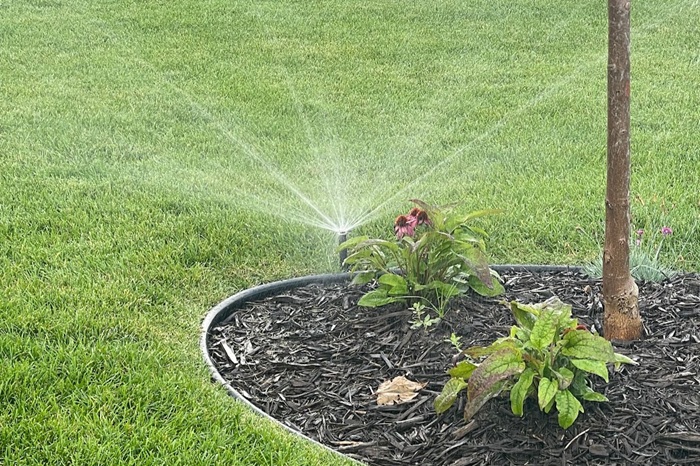
Minnesota winters bring prolonged freezing temperatures that can cause serious damage to underground irrigation infrastructure if it is not prepared properly. When water remains inside sprinkler lines, valves, or manifolds as temperatures drop below 32°F, it expands as it freezes. This expansion creates pressure that can crack PVC pipes, damage sprinkler heads, and break control valves. For homeowners across the state, knowing when and how to winterize a lawn irrigation system is a critical part of seasonal landscape maintenance.
Property owners throughout Minnesota typically schedule irrigation winterization before the first sustained freeze in autumn. Proper winter preparation involves draining water from pipes, protecting exposed components, and using compressed air to clear remaining moisture from underground lines. These procedures prevent structural damage to irrigation equipment during long winter months. Rock Solid Services works with irrigation systems installed throughout the region, where seasonal preparation is an expected part of maintaining a reliable reliable lawn irrigation system. The sections below explain several key topics homeowners frequently ask about: the latest safe winterization date, how sprinkler lines are drained, which equipment is required for irrigation blow-outs, the financial risks of skipping winterization, and how above-ground irrigation components should be protected before winter.
Latest Safe Date to Winterize Irrigation Systems in Minnesota
Minnesota irrigation systems must be winterized before the ground begins to freeze. In most regions of the state, the first sustained freeze typically occurs between late September and mid-October. Soil temperatures drop rapidly during this period, and once frost penetrates the ground, any water remaining inside irrigation pipes can freeze and expand. Because irrigation lines are typically buried 6–12 inches below the surface, they are exposed to frost penetration when temperatures remain below freezing for extended periods.
Landscape professionals often schedule winterization appointments throughout September and early October to avoid sudden cold snaps. Historical climate data from the National Weather Service shows that many areas of Minnesota experience overnight temperatures below 28°F by early October. Once these conditions arrive, sprinkler systems containing water are at risk of freeze damage. Completing winterization before these temperature thresholds occur protects underground piping and control valves.
The winterization process typically includes draining the irrigation supply line, shutting off the system’s main water source, and performing a compressed air blow-out procedure to remove residual moisture. This step clears water trapped inside sprinkler lateral lines, valve manifolds, and sprinkler heads. Without this process, trapped water can freeze inside pipes and damage an otherwise reliable lawn irrigation system. Proper timing ensures irrigation infrastructure remains intact through the winter months.
How to Drain Sprinkler Lines to Prevent Freeze Damage
Draining sprinkler lines removes standing water from irrigation pipes before freezing temperatures arrive. Many irrigation systems contain several types of drain points designed specifically for seasonal maintenance. Manual drain valves, automatic drain valves, and backflow preventer drain ports allow water to exit the system once the main irrigation supply valve is shut off. These drainage points help remove most of the water from main lines and lateral lines.
The first step involves shutting off the irrigation system’s water supply at the main shutoff valve. Once the supply line is closed, technicians open manual drain valves located at low points in the system to allow gravity to remove water. Automatic drain valves installed along irrigation laterals open when internal pressure drops below a certain level. These valves release water from pipes without manual intervention.
Even after gravity drainage, small amounts of water often remain trapped in pipe bends, sprinkler heads, and valve assemblies. Because Minnesota winters produce extended freezing conditions, residual water must be cleared using compressed air. Air pressure forces remaining moisture out of sprinkler heads and irrigation lines. This additional step protects the system from freeze expansion that can crack PVC fittings or fracture sprinkler components.
Tools and Equipment Required for Irrigation System Blow-Out
Winterizing irrigation systems requires specialized equipment designed to safely remove water from underground sprinkler lines. The most important piece of equipment used during winterization is an industrial air compressor. Compressors capable of producing between 50 and 80 PSI with high cubic-feet-per-minute airflow are commonly used to push water through irrigation lines without damaging system components.
A compressor is connected to the irrigation system through a blow-out port installed near the backflow preventer or mainline connection. Air is introduced into the system one zone at a time using the irrigation controller or manual valve operation. Running zones individually allows compressed air to push water through sprinkler heads and out of the piping network. This controlled method prevents excessive pressure from building inside pipes.
Additional equipment used during irrigation winterization may include pressure regulators, air hoses rated for compressor use, valve keys for accessing underground valve boxes, and tools for opening drain ports on backflow assemblies. Using the proper tools is necessary because excessive air pressure can damage sprinkler heads or cause fittings to loosen. Correct equipment selection allows the system to be cleared safely while protecting irrigation infrastructure.
Can Skipping Irrigation Winterization Cause Expensive Repairs?
Failing to winterize an irrigation system before Minnesota’s freezing temperatures arrive can result in extensive structural damage to underground pipes and irrigation components. Water expands by roughly nine percent when it freezes. When this expansion occurs inside confined pipes, the pressure created can exceed the strength limits of PVC and polyethylene irrigation piping.
Common damage caused by unprotected irrigation systems includes cracked lateral pipes, broken sprinkler heads, split valve housings, and fractured backflow preventers. These failures often remain hidden underground until the system is restarted in the spring. When irrigation systems are re-pressurized, damaged sections leak or rupture, causing water loss and requiring excavation to locate the failure.
Repairing freeze-damaged irrigation systems can involve replacing multiple pipe sections, installing new sprinkler heads, and rebuilding valve manifolds. These repairs frequently require trenching across landscaped areas to access buried components. The cost of these repairs is typically much higher than routine winterization. Because Minnesota winters include extended periods of frozen ground, preventative winterization remains the most reliable method for protecting irrigation infrastructure.
Preparing Above-Ground Irrigation Components for Minnesota Winters
While underground sprinkler lines receive most attention during winterization, above-ground irrigation components must also be protected from freezing temperatures. Backflow preventers, pressure vacuum breakers, and exposed valves contain internal chambers that can retain water even after irrigation lines have been drained. If water freezes inside these devices, internal seals and brass housings may crack.
To prepare these components for winter, irrigation systems are first shut down and depressurized. Drain ports located on the backflow preventer are opened so water trapped inside the device can escape. Many systems also require removing small test cocks or opening relief valves to fully drain the internal chambers. Once water has been removed, insulating covers may be installed over exposed components.
Protecting these above-ground elements helps maintain the overall reliability of the irrigation system when it is restarted in spring. Homeowners seeking more information about irrigation installation, maintenance, and seasonal preparation can find additional details through Rock Solid Services, which provides landscaping and irrigation services in Andover, Minnesota.
Professional Irrigation Winterization and Landscape Services
Preparing irrigation systems for Minnesota winters requires careful timing and proper procedures to protect underground pipes, valves, and sprinkler heads. Rock Solid Services provides irrigation installation, maintenance, and seasonal winterization services designed to help homeowners protect their landscape infrastructure from freeze damage. Proper system shutdown, drainage, and compressed air blow-out procedures help preserve irrigation equipment and prevent costly spring repairs.
Homeowners who want assistance preparing their irrigation system before freezing temperatures arrive can work with experienced professionals who understand Minnesota climate conditions. Rock Solid Services offers landscaping and irrigation solutions that support healthy lawns while protecting irrigation equipment through each seasonal transition.
Rock Solid Services
2308 135th Lane NW
Andover, MN 55304
Phone: 763-398-0739
To schedule service or ask questions about irrigation winterization, visit the company’s contact us page to connect with their team.