How to Plan an Eco-Friendly Landscape Renovation
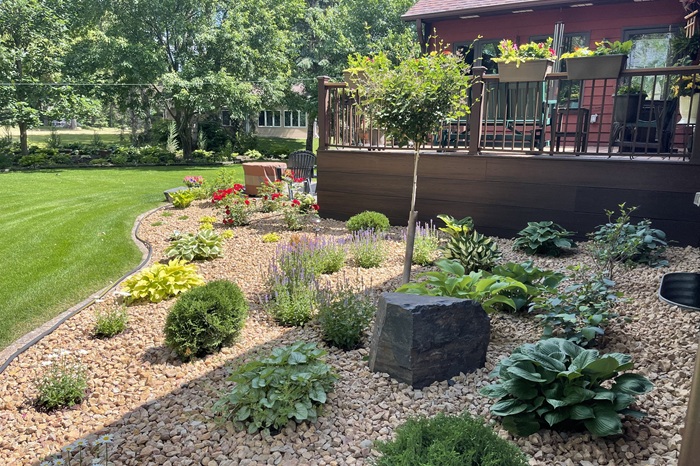
Planning an eco-friendly landscape renovation requires more than choosing attractive plants or installing new features. Sustainable landscape design focuses on conserving water, improving soil health, reducing maintenance demands, and supporting plants that thrive in the local climate. When landscapes are designed with these principles in mind, outdoor spaces become more resilient, environmentally responsible, and easier to maintain throughout the seasons. Homeowners across Minnesota are increasingly exploring strategies that balance aesthetics with sustainability while still creating outdoor spaces that are functional and enjoyable.
Thoughtful planning often includes evaluating plant selection, lawn care practices, irrigation systems, and soil management techniques. It also involves designing outdoor layouts that reduce labor-intensive upkeep such as excessive mowing or trimming. A well-designed landscape renovation can integrate these elements to create long-lasting results that work with the local climate rather than against it. Companies such as Rock Solid Services emphasize professional planning and practical landscaping solutions that support healthy lawns, gardens, and outdoor environments.
In the following sections, we explore several important aspects of sustainable landscape planning. These include selecting drought-tolerant plants that perform well in Minnesota’s climate, lawn care practices that help reduce water use, modern irrigation technologies that limit waste, mulching strategies that protect soil and retain moisture, and landscape layouts that minimize the time required for mowing and trimming. Each of these topics plays a key role in building an environmentally responsible outdoor space.
Selecting Drought-Tolerant Plants That Thrive in Minnesota Landscapes
Minnesota’s climate presents unique challenges for landscape planning. Winters are long and cold, summers can include periods of drought, and soil conditions vary widely across residential properties. Drought-tolerant plants are well adapted to these conditions because they require less irrigation once established and are capable of surviving extended dry periods. These plants often develop deeper root systems, waxy or narrow leaves that limit moisture loss, and growth habits that allow them to withstand fluctuations in temperature and rainfall.
Native and regionally adapted species are widely recognized as the most reliable option for drought-resistant landscapes in Minnesota. Prairie grasses such as little bluestem and switchgrass are naturally suited to the region’s soil and rainfall patterns. Perennials including purple coneflower, black-eyed Susan, and blanket flower are also known for their resilience and ability to attract pollinators. Research conducted by the University of Minnesota Extension highlights that native species generally require less irrigation, fertilizer, and pest control because they evolved under the same environmental conditions found across the region.
Successful plant selection also depends on understanding site conditions such as soil drainage, sunlight exposure, and slope. Plants placed in environments that match their natural growth requirements tend to require fewer resources to remain healthy. When incorporated into a broader landscape renovation, drought-tolerant plantings can significantly reduce water demand while still providing color, texture, and seasonal interest. Landscapes designed around resilient plant communities often experience fewer maintenance challenges and remain visually appealing throughout the growing season.
Lawn Care Techniques That Reduce Water Use in Sustainable Landscapes
Reducing water consumption in residential lawns begins with improving the health of the grass itself. Healthy turfgrass develops deeper root systems that allow it to access moisture stored deeper in the soil. Proper mowing height plays a major role in this process. Research from turfgrass management studies shows that maintaining grass between 3 and 4 inches tall improves root depth, shades the soil surface, and slows evaporation. Taller grass blades also allow the lawn to capture more sunlight, strengthening its overall growth and drought tolerance.
Soil health is another major factor in water conservation. Compacted soils prevent water from penetrating deeply, leading to runoff and shallow root systems. Core aeration addresses this issue by removing small plugs of soil that allow air, water, and nutrients to reach deeper layers. Aeration combined with organic matter improvements, such as compost applications, enhances the soil’s ability to retain moisture while still draining excess water effectively.
Grass species selection also influences water usage. Cool-season grasses commonly used in Minnesota lawns, such as Kentucky bluegrass and fine fescue blends, vary in their drought resistance. Fine fescues are widely recognized for requiring less water and fertilizer compared with other turf varieties. When paired with efficient irrigation practices and responsible lawn management, these turf choices can reduce overall water demand while maintaining a healthy lawn supported by professional irrigation services.
How Smart Irrigation Systems Reduce Water Waste and Improve Lawn Health
Smart irrigation systems represent a significant advancement in water management for residential landscapes. Traditional irrigation systems typically operate on fixed timers, applying water regardless of current weather conditions. Smart irrigation controllers, however, rely on sensors and weather data to adjust watering schedules automatically. These systems monitor rainfall, soil moisture levels, temperature, and evapotranspiration rates to determine when irrigation is actually necessary.
Studies from the U.S. Environmental Protection Agency’s WaterSense program indicate that smart irrigation technology can reduce outdoor water use by as much as 20–50 percent compared with conventional systems. Soil moisture sensors installed within the root zone measure how much water is already present in the soil. When adequate moisture is detected, irrigation cycles are delayed or canceled entirely, preventing unnecessary watering.
Efficient irrigation also improves plant health by delivering water at the correct depth and frequency. Deep, infrequent watering encourages strong root growth, which helps turfgrass and landscape plants withstand dry conditions. Drip irrigation systems used in garden beds provide another efficient option, delivering water directly to plant roots rather than spraying large areas. This targeted approach minimizes evaporation, reduces runoff, and ensures that water reaches the areas where plants can use it most effectively.
Why Mulching Is Critical for Moisture Conservation and Soil Health
Mulching is widely recognized as one of the most effective strategies for improving soil health and conserving water in landscaped areas. Organic mulches such as shredded bark, wood chips, and compost create a protective barrier over the soil surface. This layer slows evaporation, stabilizes soil temperature, and prevents rapid moisture loss during hot summer conditions. Research from horticulture programs across the Midwest demonstrates that mulch can reduce soil moisture evaporation by more than 30 percent.
In addition to conserving water, mulch plays a key role in improving soil structure. Organic materials gradually decompose, adding valuable nutrients and organic matter to the soil. This process improves microbial activity and helps create a healthy soil ecosystem that supports plant growth. Soils rich in organic matter also hold water more effectively while maintaining proper drainage.
Mulch also serves as an important weed suppression tool. By blocking sunlight from reaching weed seeds, mulch significantly reduces unwanted plant growth. Fewer weeds means less competition for water and nutrients, allowing desired plants to thrive. Proper mulching depth typically ranges from two to four inches depending on the material used and the type of planting bed being maintained.
Landscape Layouts That Minimize Mowing and Trimming Labor
Landscape design has a direct impact on the amount of ongoing maintenance required for a property. Large expanses of turfgrass often demand frequent mowing, edging, fertilization, and irrigation. Strategic landscape layouts can reduce these labor requirements by replacing portions of traditional lawn with garden beds, native plant areas, or hardscape features such as patios and walkways.
Perennial gardens and ornamental grass plantings provide long-lasting structure while reducing mowing needs. Once established, many perennial plantings require only seasonal trimming or occasional division rather than weekly mowing. These planting areas also increase biodiversity by supporting pollinators such as bees and butterflies.
Hardscape elements are another effective strategy for minimizing maintenance. Features such as stone patios, fire pits, pathways, and seating areas replace turf with durable surfaces that require minimal upkeep. When combined with thoughtful planting design, these layouts create outdoor living spaces that are visually appealing while significantly reducing the time required for lawn maintenance.
Professional Guidance for Eco-Friendly Landscape Planning
Creating a sustainable landscape requires careful planning, plant knowledge, and an understanding of soil and irrigation systems. Rock Solid Services helps homeowners transform outdoor spaces through thoughtful landscape design, lawn care practices, and efficient irrigation solutions. From selecting drought-tolerant plants to implementing smart irrigation strategies and designing layouts that reduce maintenance, each part of a landscape renovation contributes to long-term environmental performance and outdoor enjoyment.
Homeowners interested in sustainable landscaping can work with professionals who understand Minnesota’s climate and soil conditions. Rock Solid Services, located at 2308 135th Lane NW, Andover, MN 55304, provides landscaping, irrigation, and lawn care expertise designed to create healthy outdoor environments that are both practical and visually appealing.
For more information about planning a sustainable landscape renovation or improving the efficiency of your lawn and irrigation system, contact Rock Solid Services at 763-398-0739 or visit their website to contact us. Professional guidance can help homeowners design landscapes that conserve water, protect soil health, and reduce maintenance demands while enhancing the beauty of their outdoor spaces.